Smart alerts
Food safety monitoring with the AI cameras you already have
AI cameras watch food safety at plants, slaughterhouses and markets: missing masks, intrusions, smoke and fire get photo alerts.
The real-world problem
Food safety checks happen on a schedule and also without warning, but the quality manager cannot stand at every production step at once. Appearance violations such as a mask slipped down or a missing hairnet are usually only mentioned when someone happens to walk by, meaning they are found hours after the fact. Plain recording cameras do not help here: for any review, staff must watch hours of footage from several cameras, with no evidence set already organized by area and shift. Food safety monitoring on Vaidio AI Vision works differently: AI video analysis is attached to the existing IP cameras to watch processing plants, slaughterhouses and wholesale markets for missing masks, unusual changes in production areas, strangers entering outside working hours, smoke and fire. Every violation is alerted with a photo to the quality manager while the shift is still running.
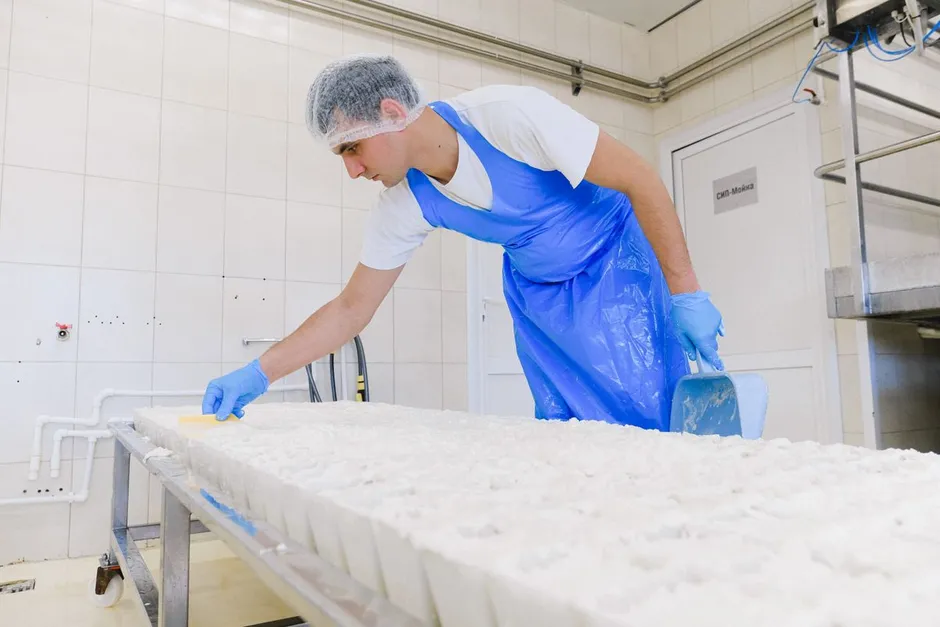
Alert: Missing face mask · Production entrance
Food plant · Camera 05 · 08:22:41
How it works
01
Enable the right detection group per area
Each camera runs only the detection group that area needs: protective gear and masks at production entrances, unusual changes at fixed points, smoke and fire in fire-prone areas, intrusion in restricted areas and warehouses. The platform offers more than 30 AI models, existing IP cameras connect via ONVIF or RTSP, and the recording infrastructure stays unchanged.
02
Draw zones and set rules per production shift
The business draws its own zones, sets time windows per shift and edits them when the layout changes, without adding cameras. The cooldown between two alerts at the same spot is set from 0 to 3,600 seconds so a repeated violation does not flood the screen. Main processing areas, raw-material warehouses, cold rooms and packing areas become restricted zones admitting only people on the list, for example only the QC team during operating hours.
03
Alerts within the shift, with a photo
Every alert carries a photo, the camera name, the violated zone and the time, emailed to the person responsible for that area. On-site sirens, lights and speakers plus Zalo, SMS and Telegram messages can be connected. Every event keeps its photo and timestamp, so reviews use the video search: type an everyday description and pull up exactly the segment to watch.
Real-world applications
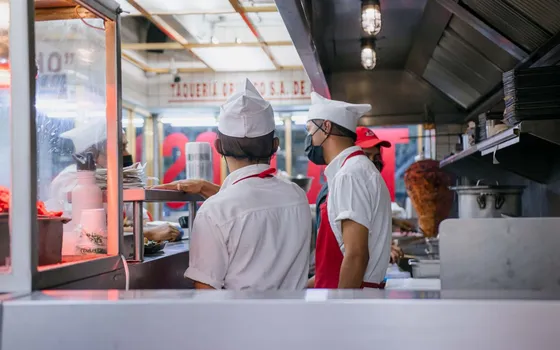
Production entrances: missing masks, hard hats
The personal protective equipment (PPE) group checks each person inside the defined zone and alerts when a hard hat or reflective vest is missing. Masks are a separate matter: mask checks belong to the face recognition engine, so the production entrance is the most common placement. Hairnets and gloves should be verified on the actual line, at the plant's real distance and lighting, before any commitment.
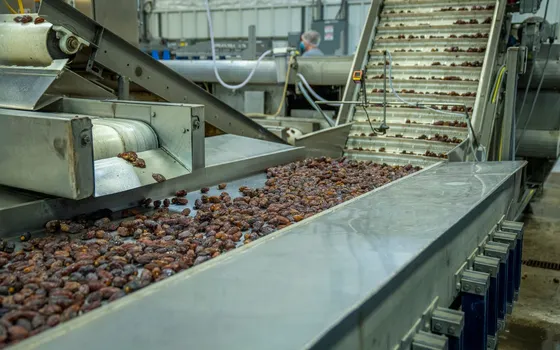
Fixed points in production areas: unusual changes
Scene-change detection compares the current frame with each camera's reference background, without pre-selecting object types. The system alerts when crates, tools or materials are moved from their place, when expected equipment disappears, or when the production door becomes blocked from view.
Processing areas, warehouses and packing: strangers off-hours
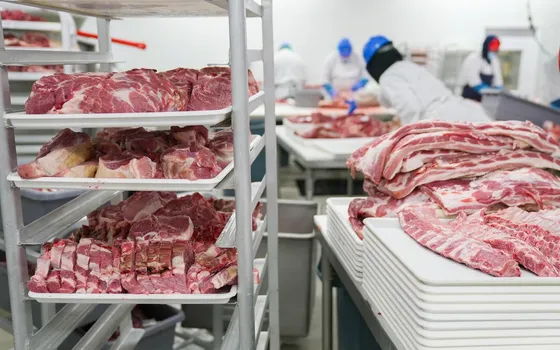
Intrusion alerts fire when someone steps into a pre-drawn zone outside the allowed time window. Main processing areas, raw-material warehouses, cold rooms and packing areas become restricted zones admitting only people on the list. The business draws its own zones, sets schedules per shift and edits them when the layout changes.
Packaging warehouses, drying areas and electrical rooms: smoke and fire
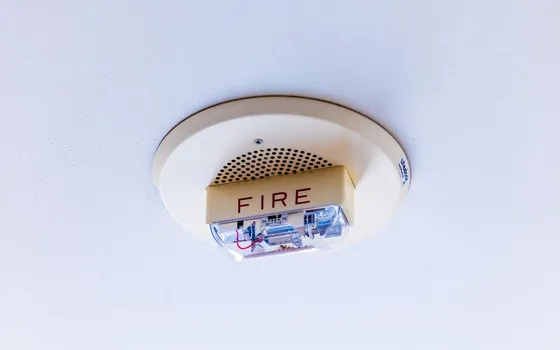
Smoke and fire are detected by dedicated models that require a separate license, fitting packaging warehouses, drying areas, dry-goods warehouses and electrical rooms. Emergency alerts with a photo go to the on-duty person to confirm and respond early, even on night shifts when the plant is empty.
What you get
Violations corrected within the shift
A worker missing a mask is reminded during the shift instead of at the wrap-up meeting. Measure the time from the violation to the manager's alert, before and after enabling.
Evidence, organized
Every alert carries its photo, timestamp and camera name, already organized by area and shift. Measure the share of violations fully documented compared with the earlier handwritten log.
Night shifts and unstaffed areas stay covered
Cold rooms and night-shift packing lines need no one standing guard. Measure the share of operating time under surveillance for each area.
Data by area and shift
Alert counts recorded by area, shift and month to rank areas for renovation and pick real cases for training new workers.
How deployment works
Step 1
Survey production areas and shooting conditions
This is the deciding step in a food plant: steam from washing, slaughtering and cooking blurs frames, condensation coats lenses, lighting is weak in cold rooms and on night shifts. Match each position against the area to watch, choose mounting angles away from steam flows, conclude which cameras are usable.
Step 2
Connect existing cameras
Connect via ONVIF or RTSP at 720p or higher, since mask checks belong to the face engine which needs that level; 2MP is the general recommendation for the other groups.
Step 3
Configure rules per production shift
Draw zones, set time windows per shift, set the alert cooldown between 0 and 3,600 seconds so a repeated violation does not flood the screen, and assign who receives alerts for which area.
Step 4
Train the QC team
Practice telling real alerts from false ones, tune thresholds and zones after the first week, and use alert photos as real examples when training new workers.
Infrastructure requirements: Four steps complete within a few weeks depending on camera and area count. Existing cameras work and the recording infrastructure stays unchanged. Wet, steamy areas and cold rooms need a dedicated equipment survey before any commitment.
Frequently asked questions
Can AI cameras tell when workers are missing masks?
Yes. Mask checks belong to the face recognition engine, not the PPE group, so the production entrance is the most common placement. Hairnets and gloves are not yet in the vendor documentation; businesses should verify them on the actual line before any commitment.
How does steam in processing areas affect detection?
Steam hides parts of the frame and condenses on lenses, erasing the details detection needs. That is why surveying mounting positions away from steam flows, checking lighting, and choosing cameras suited to wet environments matter even more in food plants.
Who receives violation alerts, on which channels?
Alerts with a photo, camera name and violated zone go by email to the person responsible for each area; on-site sirens, lights and speakers plus Zalo, SMS and Telegram messages can be added depending on the current system. Technically, signals are sent via HTTP Trigger or API; Turbo Solutions surveys the current system to choose the integration method.
What internal rules are needed before installing monitoring cameras?
Inform people in advance and state in internal rules which areas have cameras, with food safety as the purpose. Never place cameras in private spaces such as restrooms or changing rooms. Data stays on the company's own servers, viewing rights go to authorized staff, and with privacy protection enabled faces in alerts are blurred. Businesses should check current regulations before deploying.
Related features
Put AI Vision to work in your operations
Turbo Solutions surveys your current system, demos against your real operating scenarios and quotes by scope of work. No disruption to daily operations.
Book a demo